WKU Biology Student Duan Chenxin Receives Offers from Berkeley, Johns Hopkins and More
Duan Chenxin, a 2026 Biological Sciences student at Wenzhou-Kean University, has received graduate offers from UC Berkeley, Johns Hopkins University, the University of Pennsylvania, UC San Diego, the National University of Singapore, and the Icahn School of Medicine at Mount Sinai. He majors in Biological Sciences, minors in Chemistry, and has maintained a 3.5 GPA while building extensive undergraduate research experience.
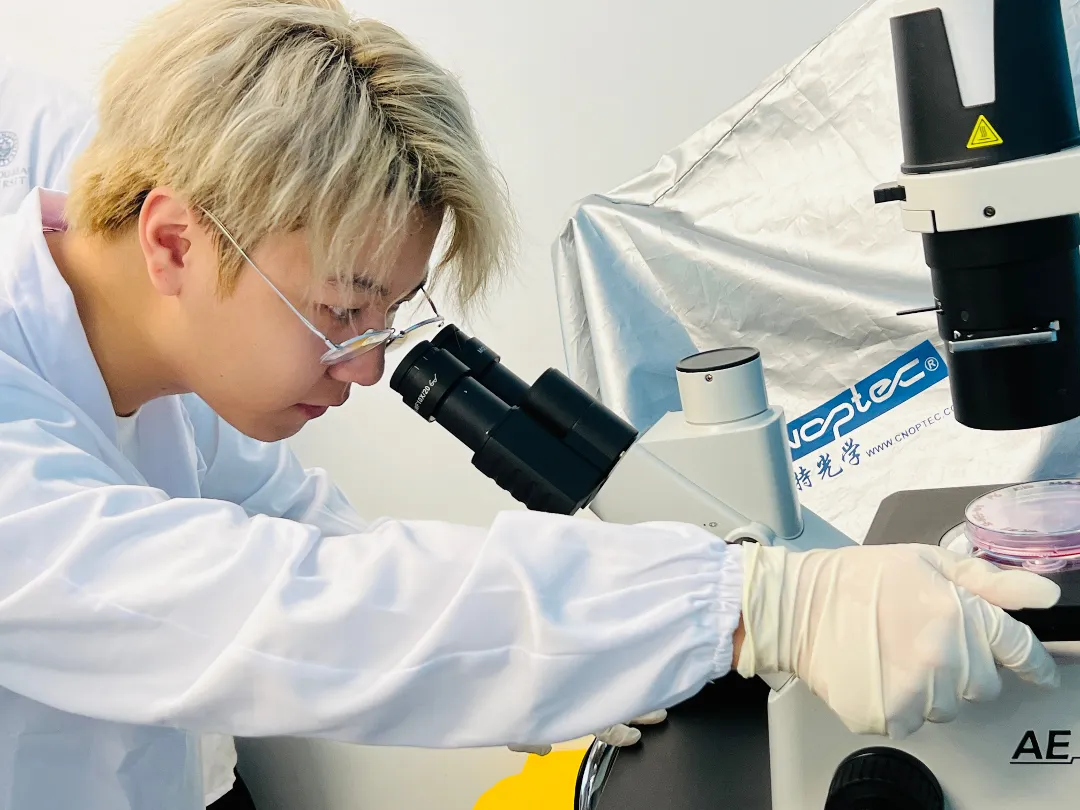
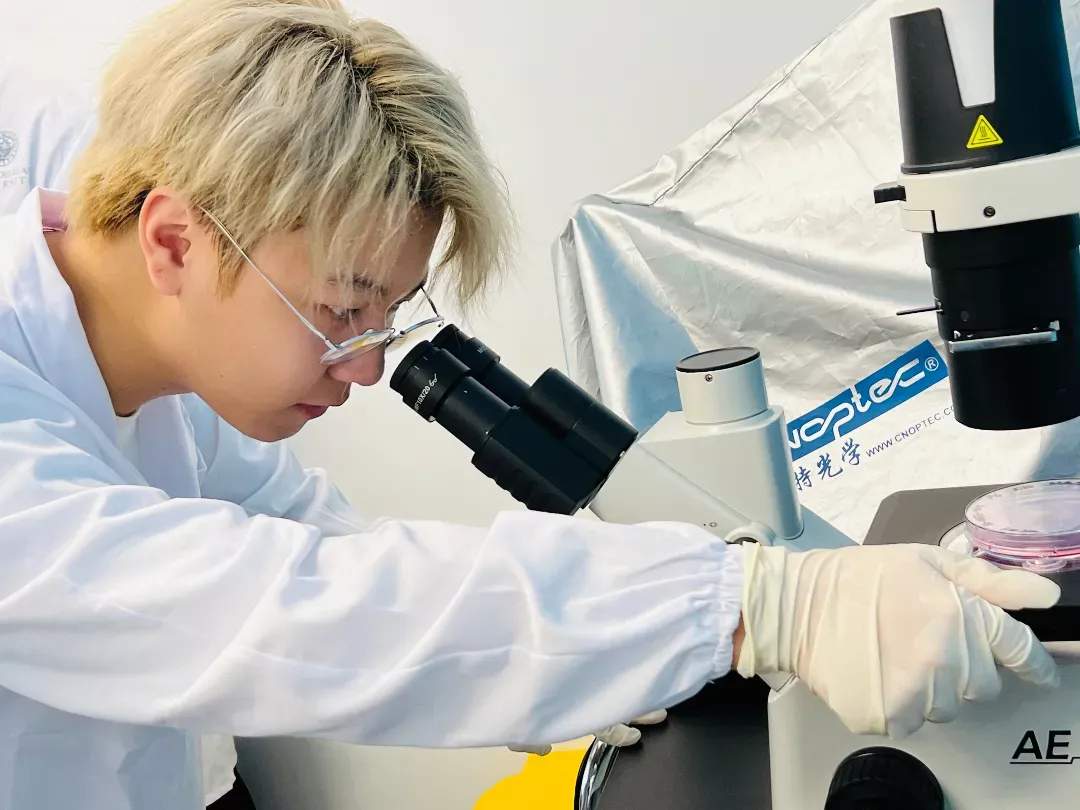
Duan began research in his first year at WKU, joining Professor Aloysius Wong’s lab. He started with basic laboratory work such as bacterial and cell culture, DNA and RNA extraction, and sequencing. Over time, his research expanded into microbiology, immunology, cancer, and clinical research.
The learning process was not always smooth. Early in college, Duan made mistakes in the lab and had to repeat experiments under tight deadlines. Instead of giving up, he learned how to identify problems, reorganize his time, and start again. “I grew through making mistakes,” he said.
For Duan, faculty support made those setbacks easier to turn into learning opportunities. After one early lab accident, Professor Wong encouraged him not to let a single failure weaken his interest in research. WKU’s undergraduate research environment gives students early access to laboratories and direct interaction with faculty, allowing them to learn through both success and failure.
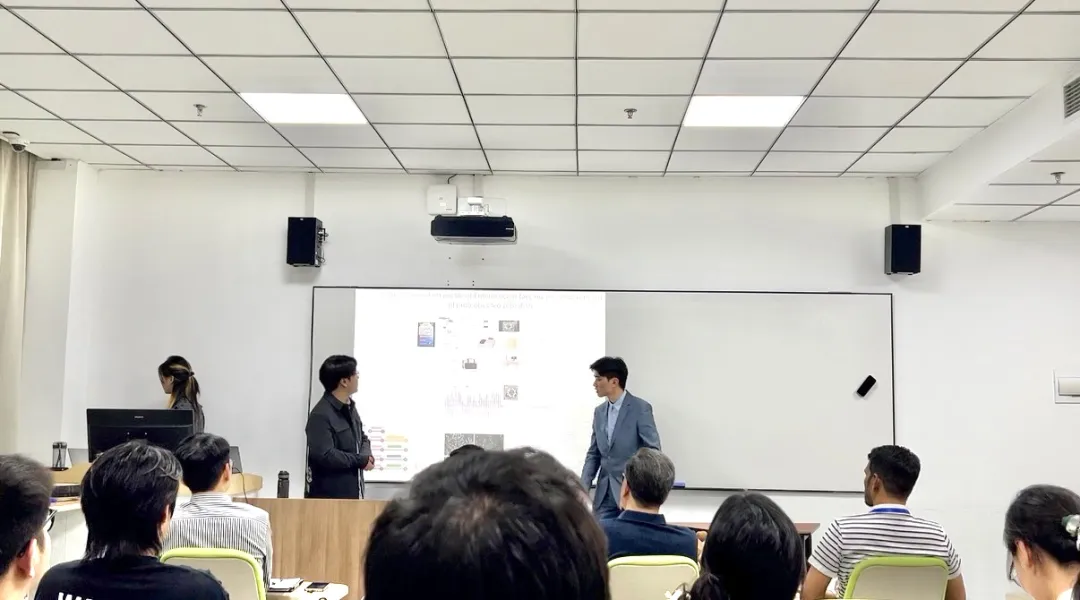
By his junior year, Duan had moved from assisting with experiments to developing his own research ideas. While reviewing literature, he became interested in how cells respond when probiotics and pathogens enter the intestinal environment at the same time. He discussed the idea with Professor Wong and eventually developed it into a project that he helped lead.
Leading a project also meant learning how to respond when experiments did not go as planned. When a long-term exposure design caused widespread cell death, Duan adjusted the research question and shifted the project toward comparing cell survival under different co-culture times. He also began coordinating team roles, timelines, and materials.
Alongside his major, Duan pursued a Chemistry minor and joined another project with Professor Mojtaba Tabandeh on new branched glycolipids and their potential applications in drug delivery and biology. Balancing courses, experiments, and multiple projects helped him develop a more independent approach to research.
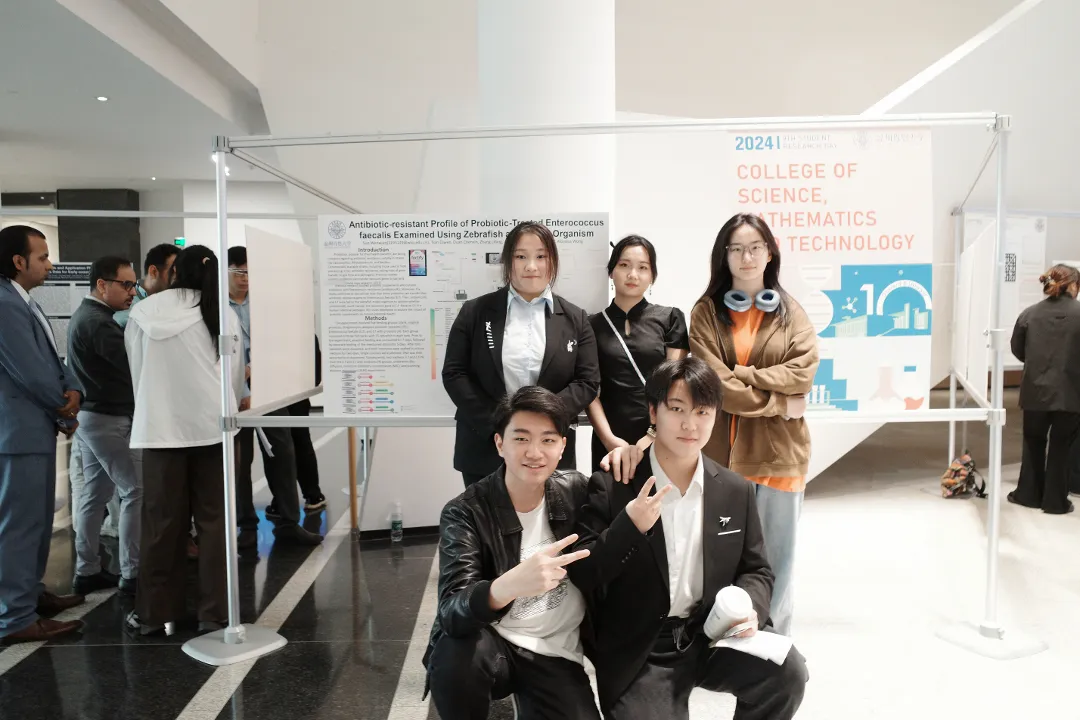
Looking ahead, Duan hopes to continue studying and conducting research in the biomedical field, with a particular interest in clinical research. He wants to remain involved in laboratory work and continue developing his research experience at universities, research institutes, or related platforms.
For Duan, the past four years were a process of becoming more independent—moving from learning basic techniques to asking his own questions, leading projects, and finding a research direction he wants to continue pursuing.